After the modern megacities with their glass skyscrapers, endless crowds, and dazzling sea of lights, China’s ultra-fast (and amazingly punctual) high-speed train took us into a completely different world (560 km, 2h 38min, €42 per person in First Class).
We found ourselves in a landscape that looked as if it had been taken straight from an ancient Chinese fairy tale. We had selected three picturesque old towns that we wanted to explore in more detail.
Train tickets can easily be purchased in English through the Alipay app or the railway app “铁路12306”. The interesting part is that there are no traditional paper tickets. Everything is linked directly to your passport. It gets scanned at the station entrance, and that’s your ticket into both the station and the train. The same system is used for flights, museums, and even amusement parks.
1) Yangshuo – Exploring the Fairy Mountains by bicycle
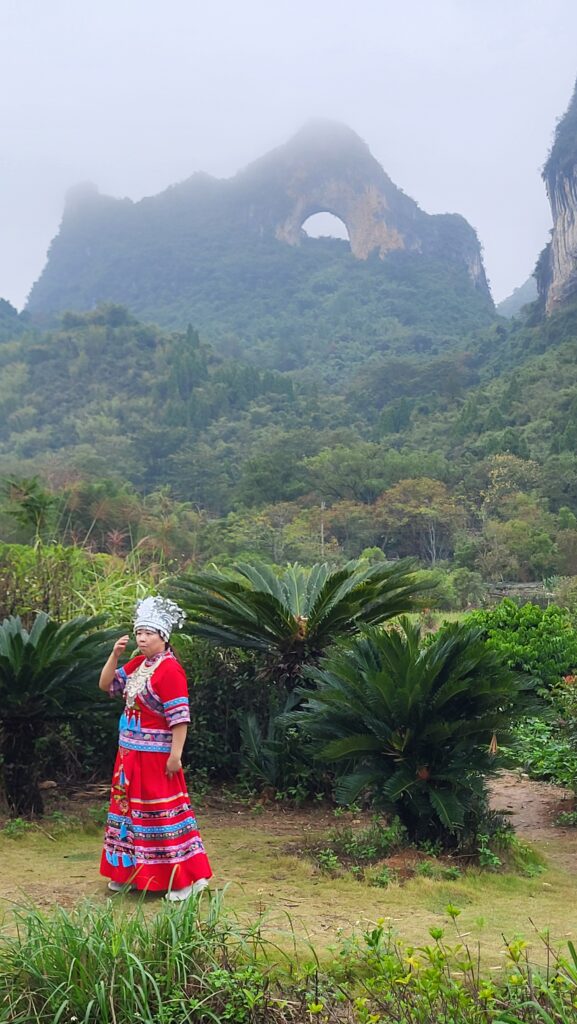
Yangshuo welcomed us with an almost unreal landscape. Over millions of years, nature has shaped huge limestone peaks that rise gently from the flat countryside. Between them wind peaceful rivers, green fields, and narrow country paths, creating one of the most beautiful landscapes we have ever seen.
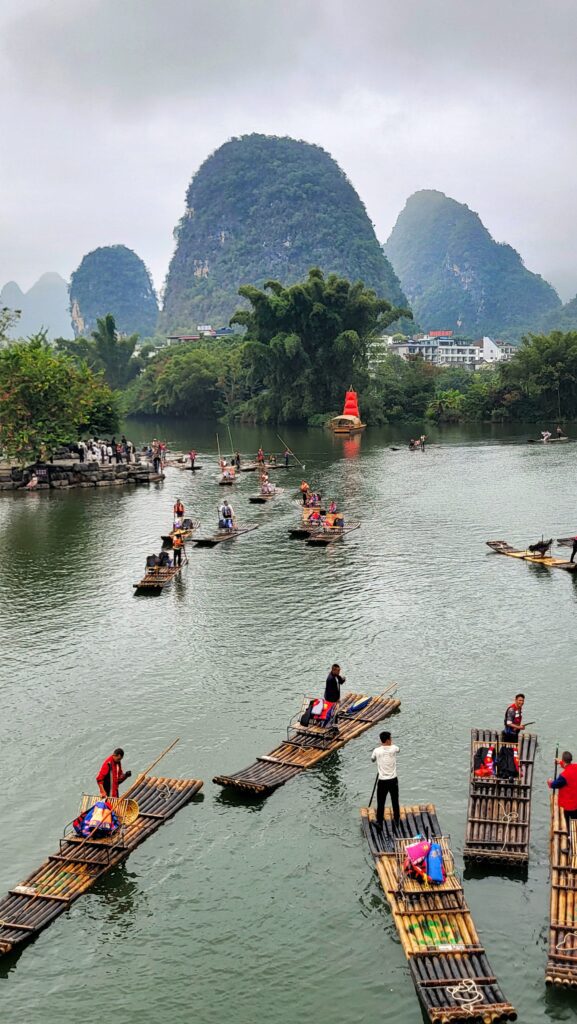
In the early morning, a thin veil of mist floated over the river, creating an almost magical atmosphere. The cormorant fishermen waited patiently on their bamboo rafts for the mostly Chinese tourists. Today, the birds serve more as living symbols of an ancient tradition—and as popular photo models—than as working fishing partners.

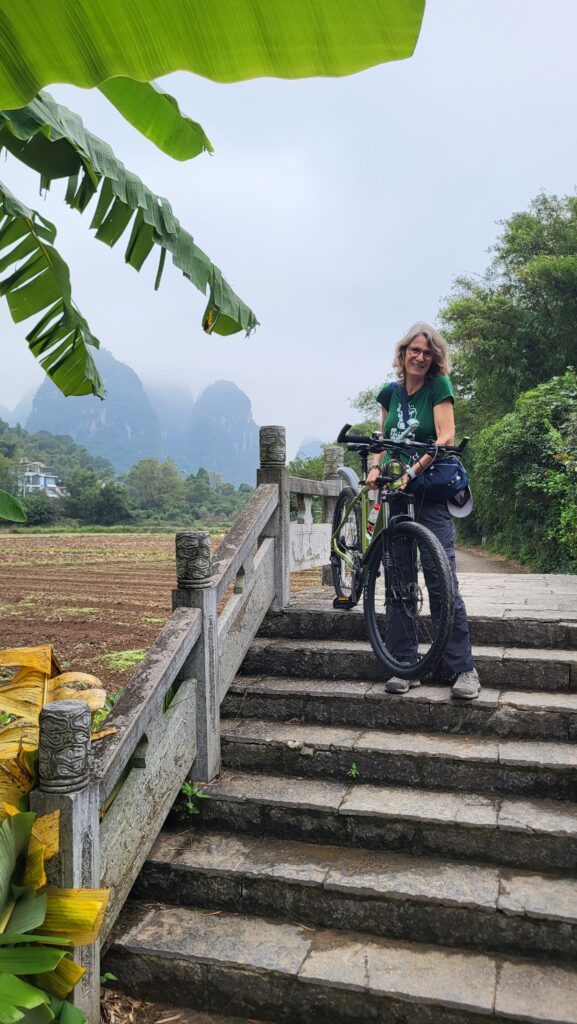
Instead of taking a tour bus, we decide to explore the valley by bicycle. Watch the VIDEO—and make sure the sound is on!1

2) Fènghuáng – The Phoenix and the City of Lights
Our journey continued about 500 km further north by train to Fènghuáng (凤凰 / 鳳凰), whose name means Phoenix.
Unlike the Western phoenix, which rises from its ashes, the Chinese Fènghuáng/Phoenix symbolizes harmony, virtue, prosperity, and beauty. In Chinese culture, it is also closely associated with the Empress, while the Dragon traditionally represents the Emperor.
Since many Chinese people adopt a Western name when dealing with foreigners, we decided to turn the idea around. We gave Sylvia the name Fènghuáng, the Phoenix, while I became Long (龙), the Dragon. The Chinese loved it and were highly amused whenever we introduced ourselves using our new Chinese names.

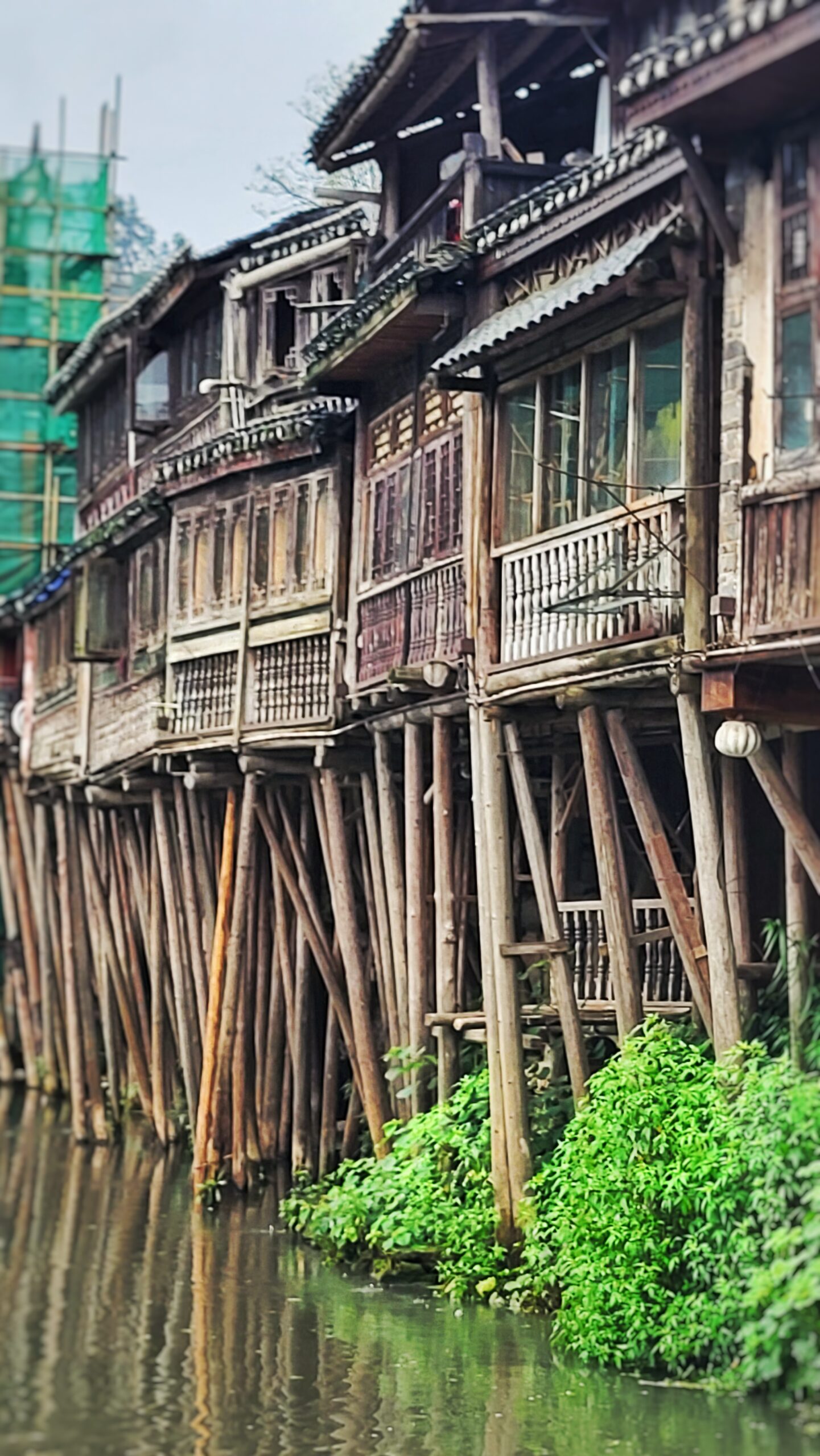
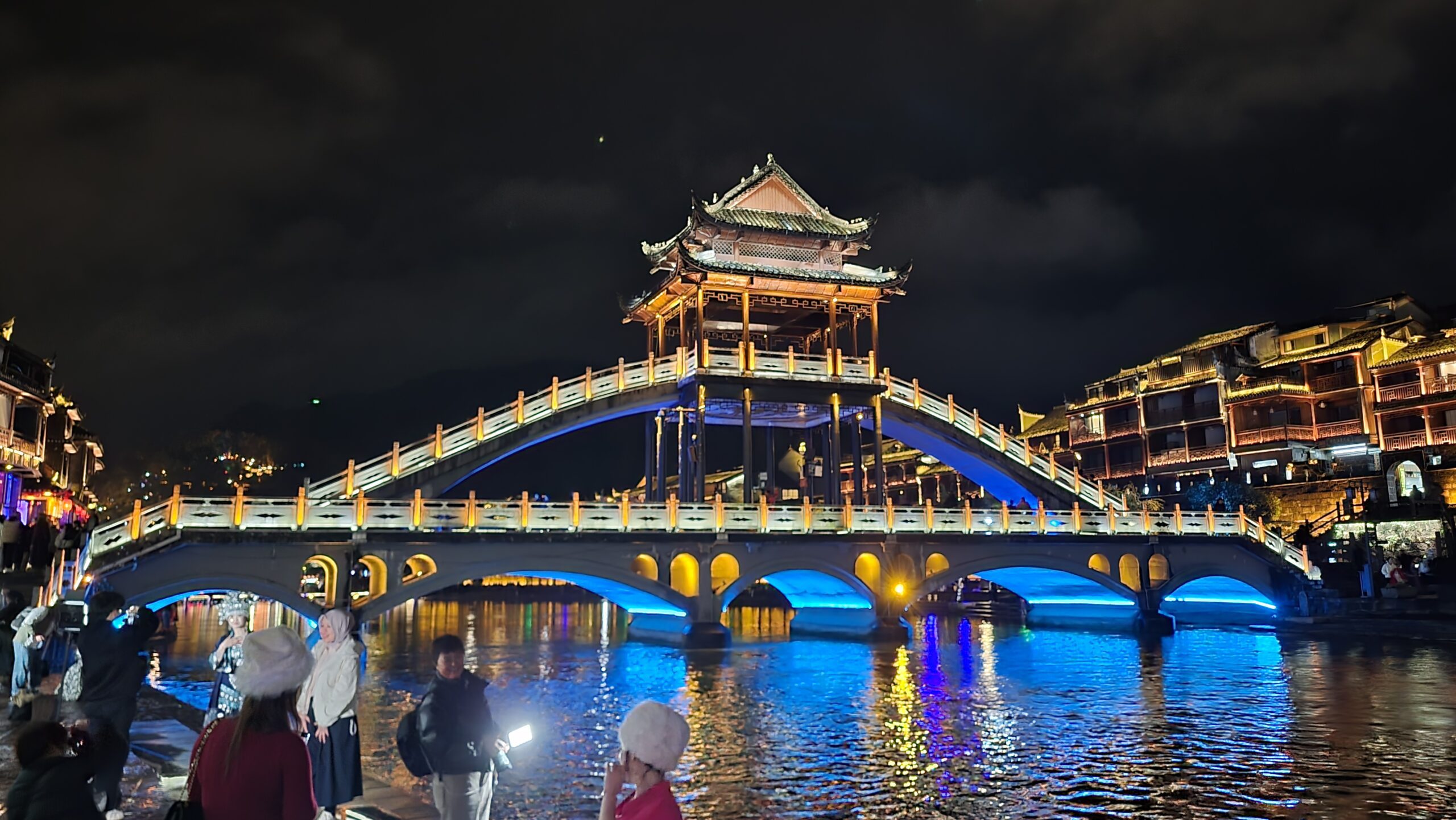
Fènghuáng is also a very old historic town, famous for its protected stilt houses (Diaojiaolou, 吊脚楼) and its narrow alleyways. At night, the town transforms into a glowing spectacle of colorful lights and warm reflections. Be sure to watch the video. Sound on.
3) Furong – The Town Built Around a Waterfall
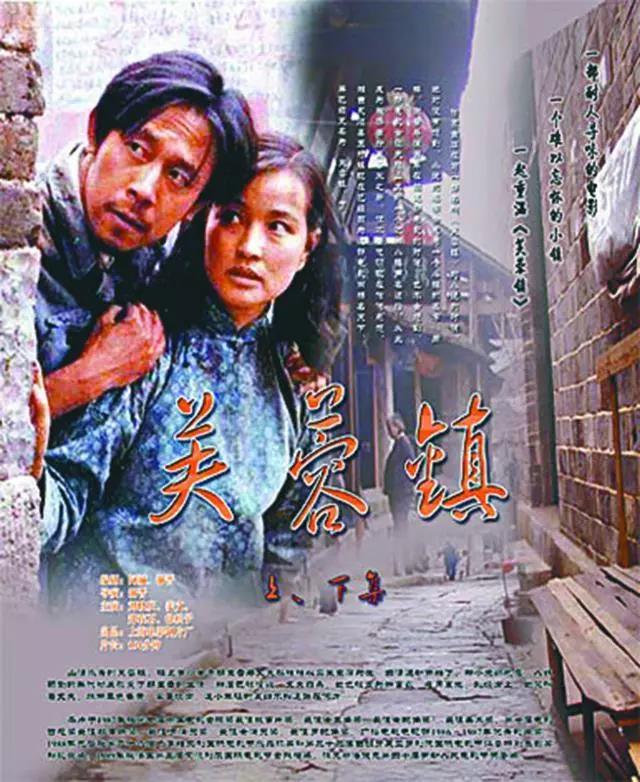
Only 30 minutes away by train lies Furong, which was formerly known as Wangcun. In 1986, however, the famous director Xie Jin filmed the successful movie Hibiscus Town here. Tourists soon flocked to this picturesque town, but many were surprised to discover that the place wasn’t actually called Hibiscus Town. Being practical as always, the authorities solved the problem in 2007 by simply renaming Wangcun to Furong Town (Hibiscus Town) Ancient City. The result? Even more tourists arrived—almost all of them Chinese. Be sure to watch the VIDEO.
Interestingly, we met quite a few Spanish tourists during our trip through China. We spent several afternoons with some of them, sharing travel stories and exchanging experiences.
Reading restaurant menus was usually not a problem. We simply pointed the Translator app or Google Translate at the menu, and an instant translation appeared. Well… most of the time. The challenge was that Chinese dishes are often described in a very poetic way. So when the translator proudly informed us that one of the specialties was called “The Official Buddha Jumps Over the Wall” (it is in german on the translater), we still had absolutely no idea what we were about to eat.
Move the slider back and forth between the pictures and see for yourself.


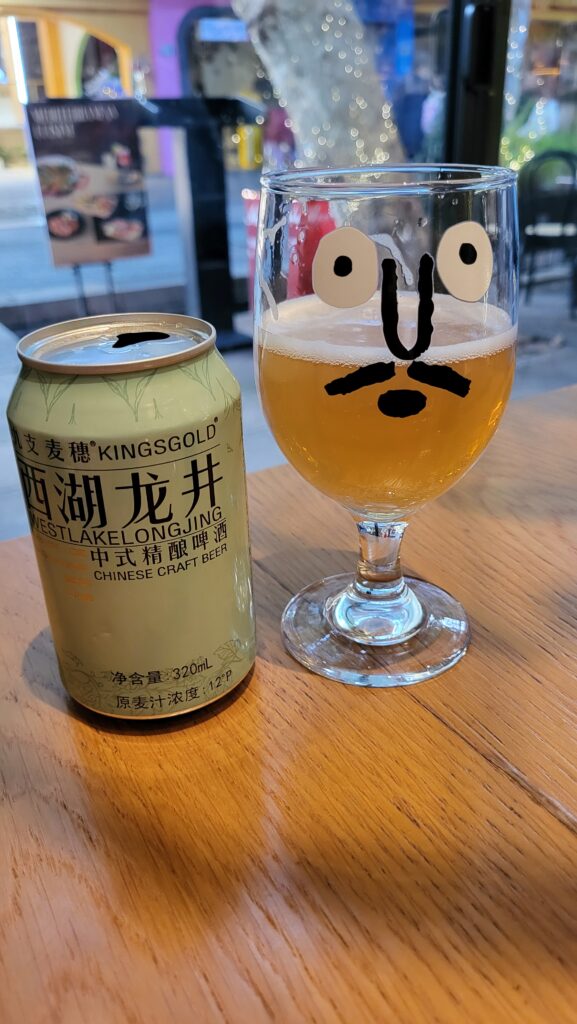
When all else fails, there’s only one solution: a (funny) beer. Cheers!