Arrival in Leshan
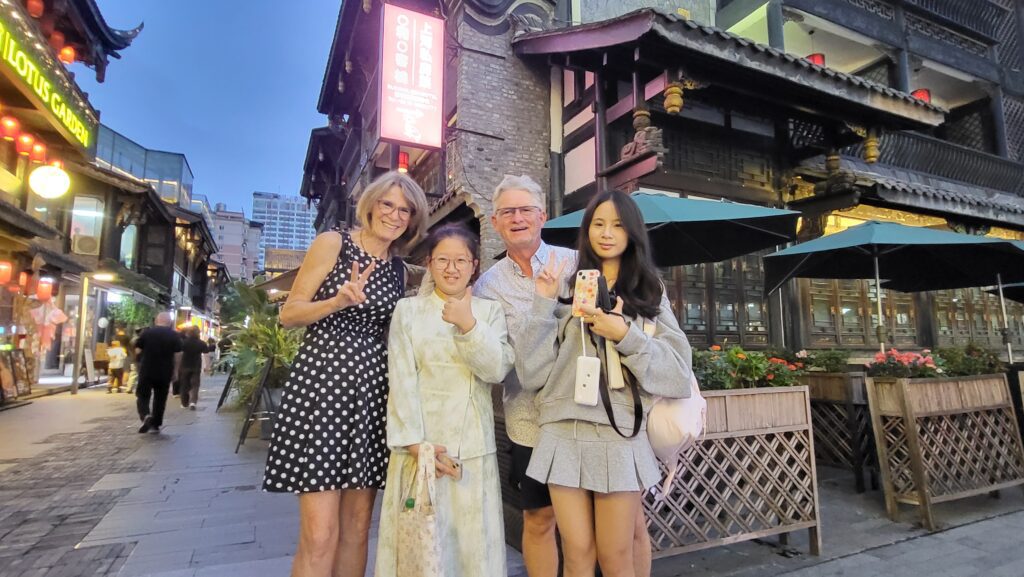
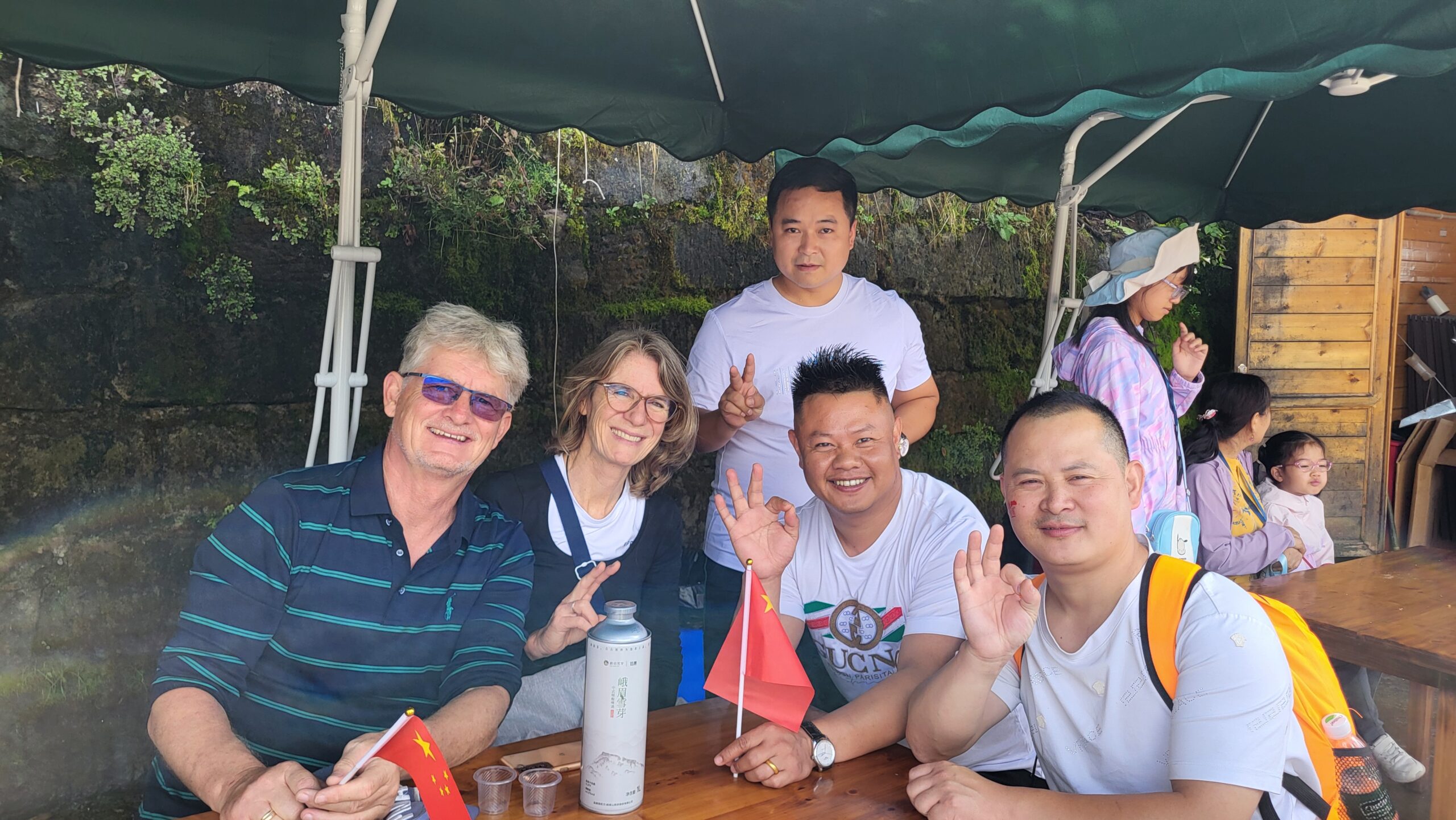
We leave the usual tourist routes and take the train to Leshan (900 km, 4:50 h, €42). This is about 140 km south of Chengdu. We are a little exotic here. People greet us simply on the street, some want to take a selfie with us, and some just want to brush up on their dusty English. Sylvia, as a tall, slender woman, is particularly the center of attention.


90 years of chiseling stone
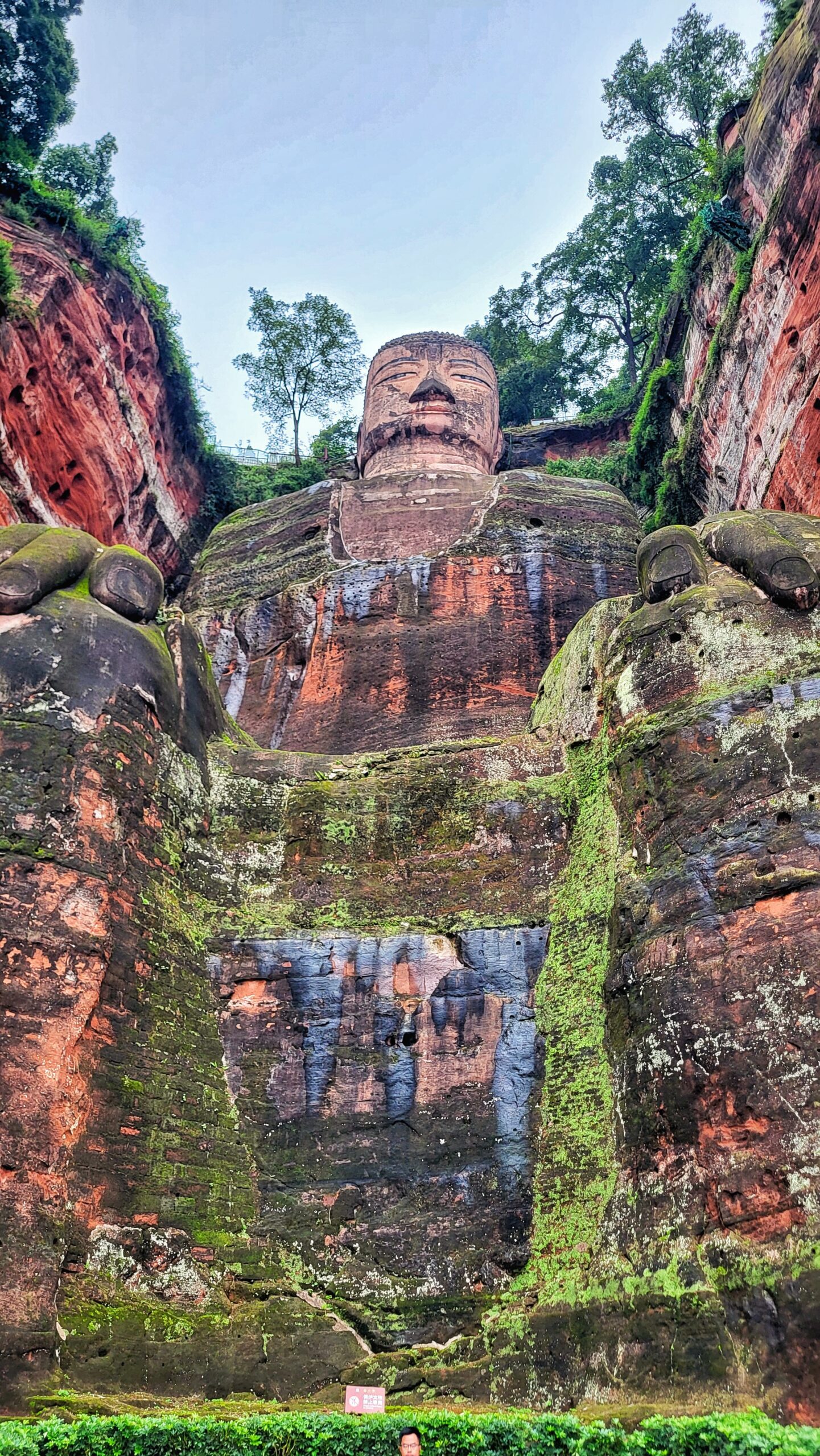
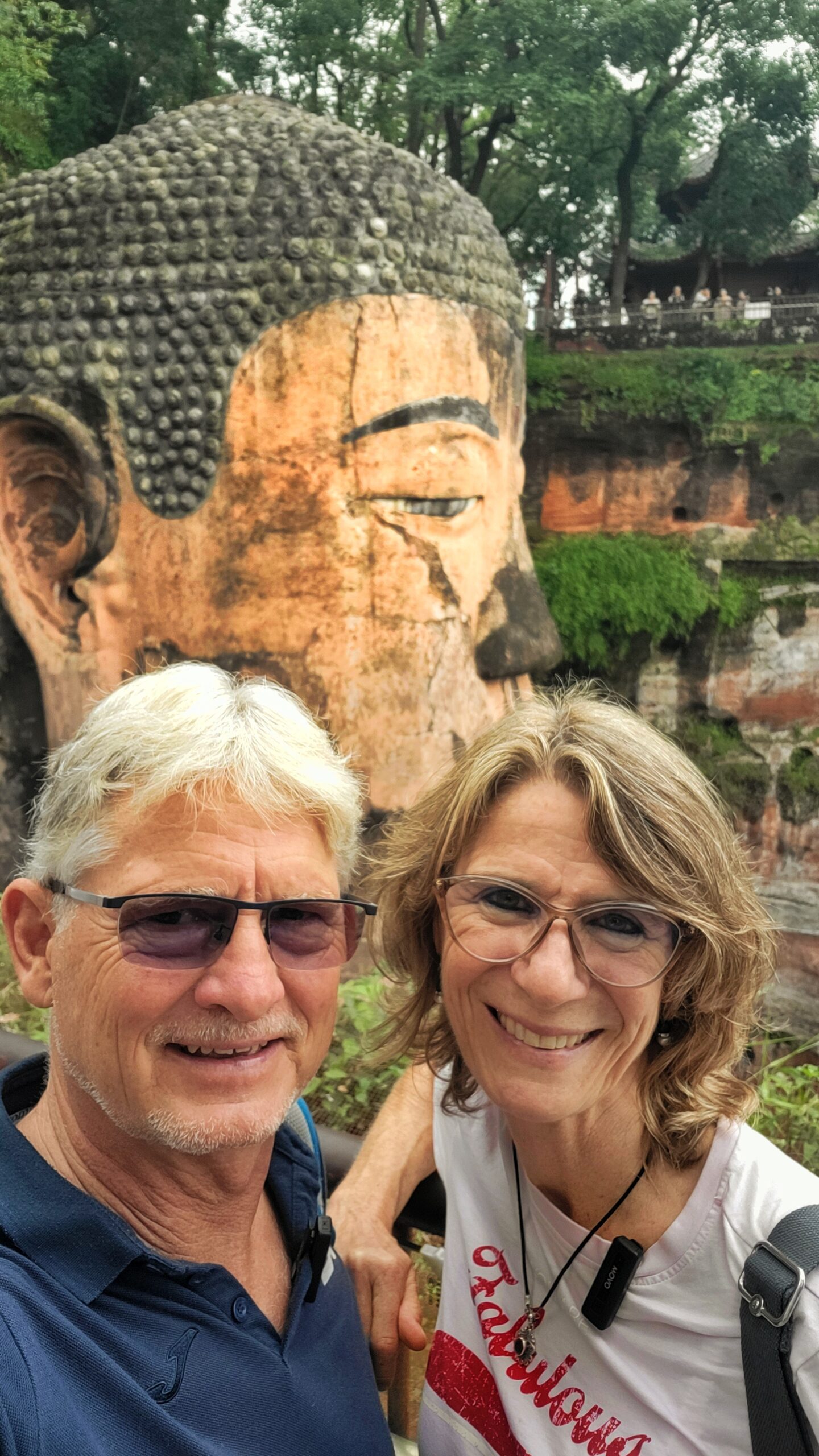
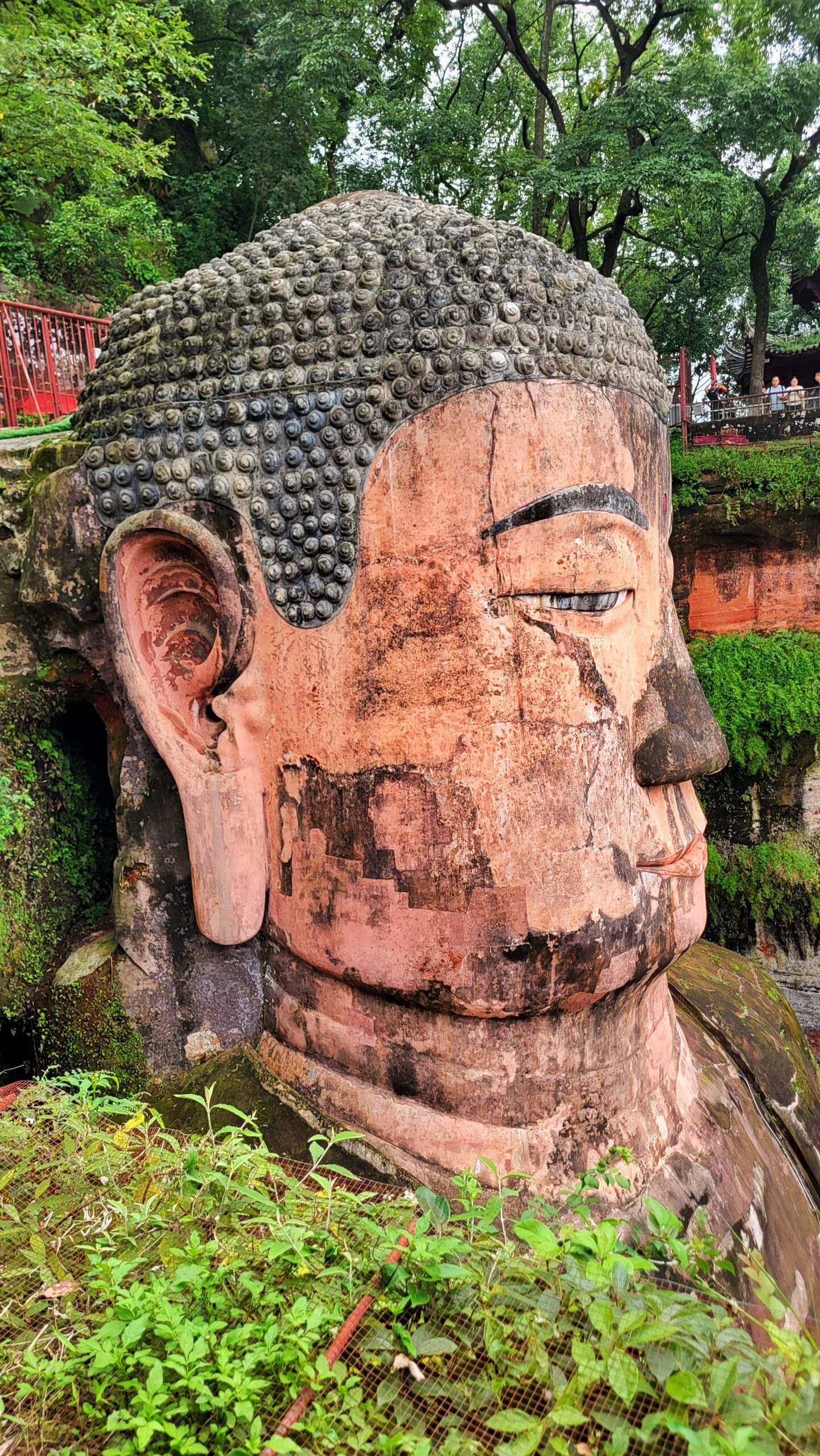
Many thousands of workers chiseled a 71 m (233 feet) high Buddha (Maitreya) out of the rock here in Leshan. The work took 90 years (713-803, Tang Dynasty). However, the particularly large ears are made of wood and covered with clay. An impressive colossus that we explore from above, from below, and from the water.
Like a miracle
The construction was intended to move the gods to appease the raging current at the confluence of the 3 rivers. Like a miracle, this was achieved, but more so through all the chiseled-off rocks that weakened the current in the water.
Cold “Hot Pot”
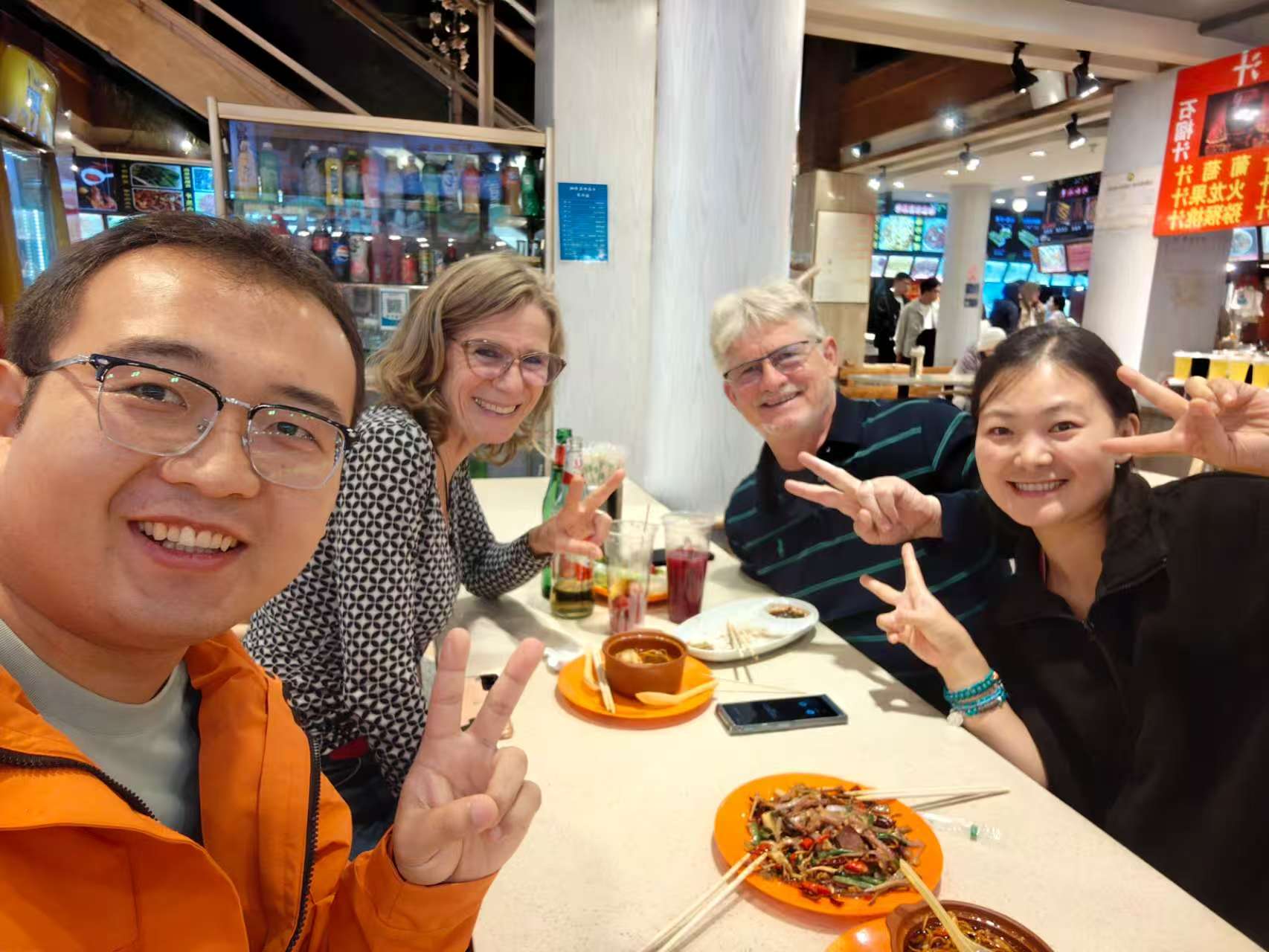
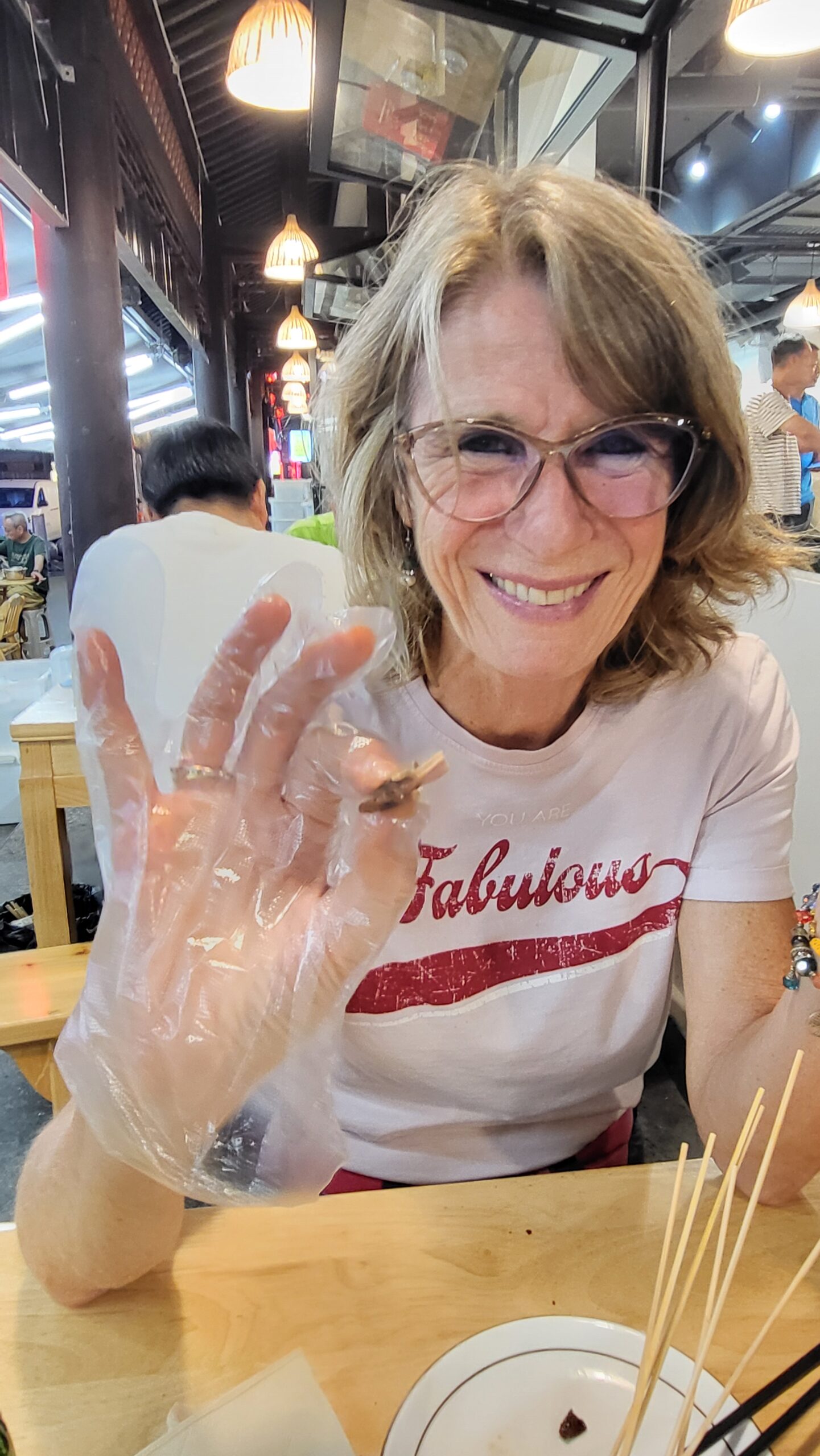
Here in Leshan, we saw a nice restaurant, well-attended, with one pot in the middle of each table. We thought it was Hot Pot. But no, it was a cold “Hot Pot.” You select skewers from the refrigerator, and in the pot is a cold vinegar-soy-chili marinade in which the skewers marinate for 3-10 minutes. It is eaten cold.

Arrival at the hotel
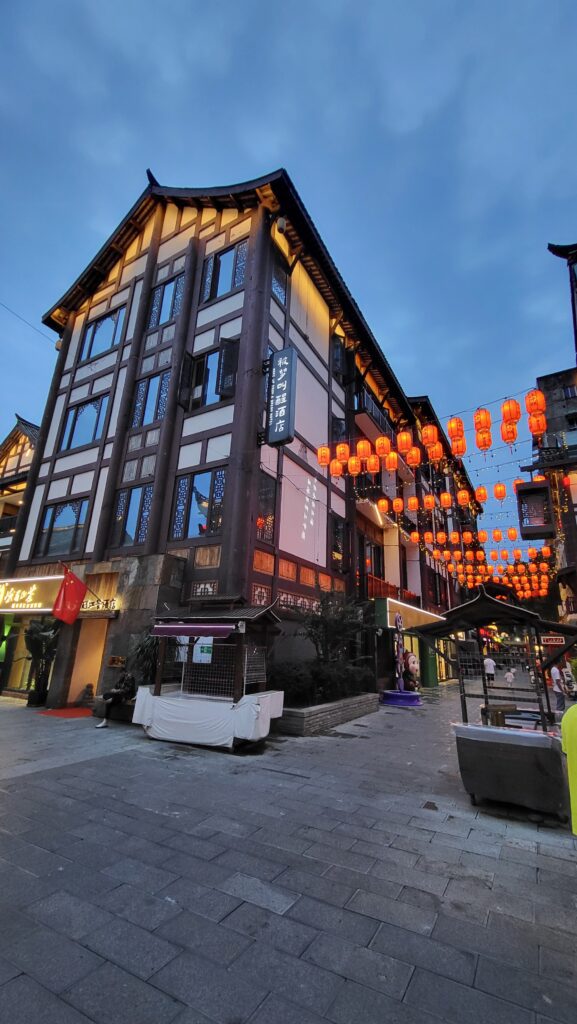
So far, our hotel rooms have always been quite modern, large (about 25 sq m), and usually cost around €40-€50/night. But even the room in the small hotel here “in the countryside” is large and even has a bathtub by the window. What is particularly noteworthy is the level of friendliness with which you are welcomed in the hotels, and everything is done with a smile. English is quite rare, but our translator helps.
Smart-Toilet
But what all rooms have in common (even in the small hotels) is a mirror with an integrated light and heating switch and a “smart toilet.” The toilet seat is heated and illuminated, it flushes automatically, and closes the lid afterward. We will miss the warm seat.
However, in normal everyday life, in restaurants, at the train station, in public restrooms, or in older houses, the “squat toilet” is absolutely common.
